 |
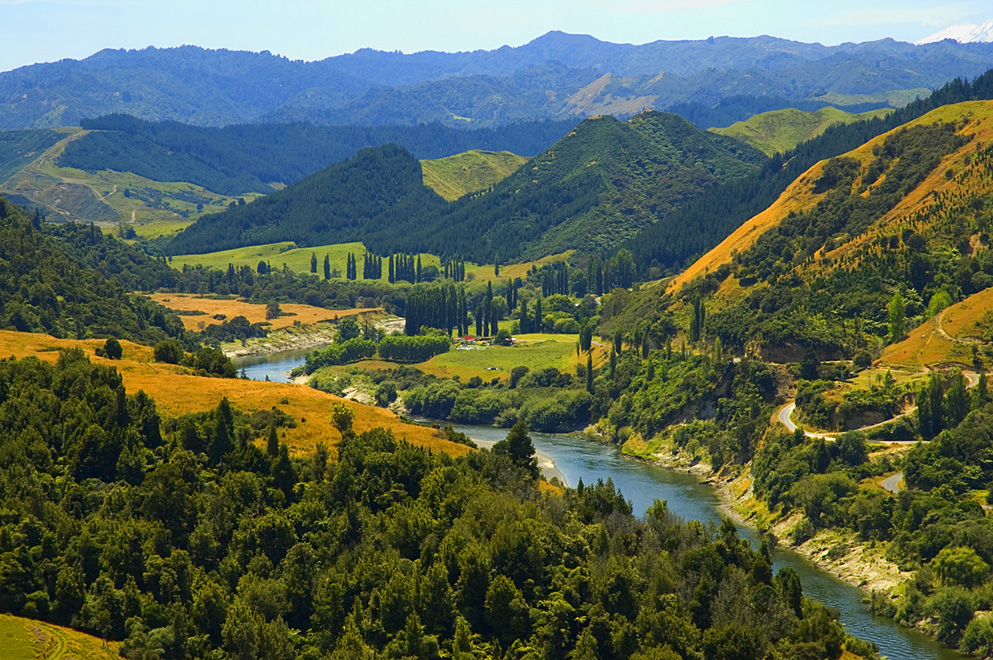
| Whanganui River. Courtesy of Wikimedia Commons. |
This blog entry follows on from my July 31, 2021 blog entry on Environmental Sustainability, Personhood, Legal Rights, and Indigenous Ecological Knowledges. Here I frame the matters under consideration in terms of settler ecology and add some new ideas and information. Elsewhere I’ve written that because natural rights doctrine (the human right to life and liberty) derives from nature, then self-evidently nature possesses these same rights. The counter argument is that human beings are exceptional in having consciousness, agency, language, etc. But this human exceptionalism is under challenge from neurobiologists, behavioral ecologists, and philosophers, not to mention animal rights activists and scientists who study plant intelligence and communication. Take, for instance, the 2012 Cambridge (University) Declaration on Consciousness, in which several prominent scientists declared that “Convergent evidence indicates that non-human animals have the neuroanatomical, neurochemical, and neurophysiological substrates of conscious states along with the capacity to exhibit intentional behaviors. Consequently, the weight of evidence indicates that humans are not unique in possessing the neurological substrates that generate consciousness.”
If, then, more than human living creatures have consciousness, agency, language (gestural as well as sonic), and so on, it would appear that Western ways of thinking must grant them at least a moral right to life and liberty. Do other living beings—not only human beings—similarly have a legal right? What are the advantages and disadvantages to positioning animals (and possibly plants, and indeed entire ecoystems) within the modern, Euro-American legal framework of rights and obligations (duties) that largely derive from the social contract and justice theories that began during the Enlightenment? What is the relationship between such a rights regime for the environment and settler ecology? What possibly more desirable alternatives are available?
At least since Christopher Stone’s provocative book Should Trees Have Standing (originally published in 1972)--that is, legal standing--nature’s natural rights have been invoked in the US to protect environmental features such as endangered species, landforms, and ecosystems against encroachment from developers. That is an application of ecojustice, and it is represented by a dissenting strain, neither colonialist nor extractivist, within US settler ecological thought: one that runs through Henry David Thoreau and Aldo Leopold to contemporary conservation biologists and environmental activists. Town governments in Pennsylvania, for example, have passed ordinances granting legal rights to certain landforms in order to prevent fracking. They argued that if US law grants legal rights based on “personhood” to corporations, which corporate “persons” may have some kind of collective agency and intentionality, but lack consciousness, then landforms and ecosystems may also be considered persons and be granted similar rights. The latest example of such a lawsuit is occurring in Florida, where plaintiffs have gone to court on behalf of a threatened ecosystem, Lake Mary Jane, in an effort to stop work on a nearby housing development. Needless to say, the fracking corporations quickly sued the Pennsylvania town governments, and the judges in the state courts ruled in their favor. Whether the same fate awaits Lake Mary Jane remains to be seen.
Rights regime suits have been effective in some instances outside the US, however. Ecuador and New Zealand are cases in point, where ecosystems such as the Whanganui River, and mountains have been granted the right to be respected and largely left alone. In those cases, the claims have been made not exclusively within a Euro-American legal framework of rights and personhood, but rather also by giving weight to Indigenous people’s beliefs concerning the rights and sentience of non-human natural beings, which requires thinking of them not as objects (as Western science does) but as subjects—that is, as living beings with their own forms of subjectivity, agency, consciousness, etc. In Ecuador, rights of nature are enshrined in its Constitution. That is not settler ecology.



 Posts
Posts

